
№ MIAMFL
CM
Attorney
Carlos Mendez
Mendez Injury Advocates
Personal InjuryProduct Liability
- City
- Miami
Personal Injury · Sub-Practice
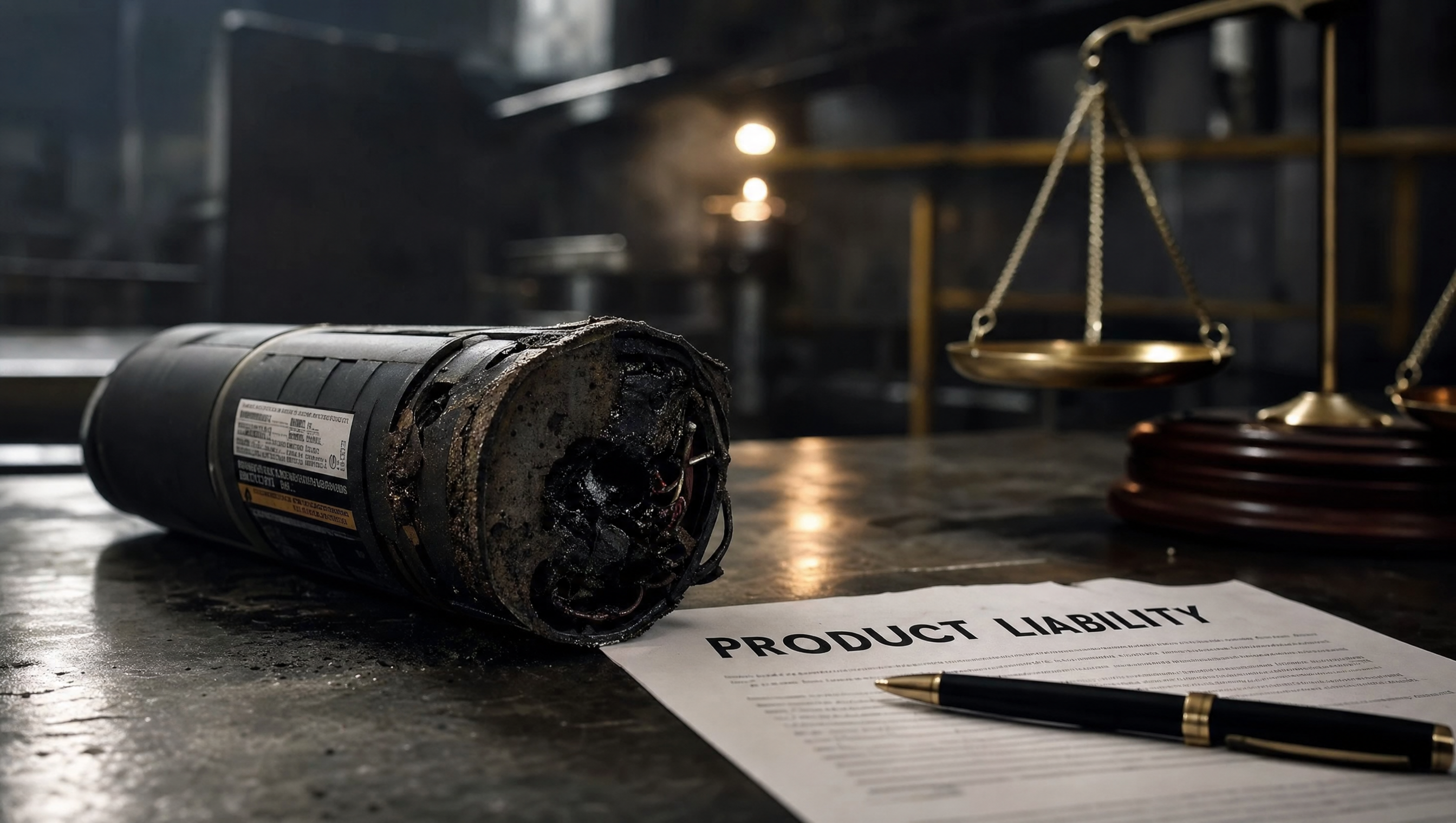
Manufacturers are responsible for the safety of products they put into commerce. When they fail, you have recourse.
§ Overview
Product liability law holds manufacturers, distributors, and retailers responsible when a defective product causes injury. Unlike most personal injury cases, these claims can be brought without proving the defendant was careless.
There are three theories of product liability: manufacturing defect (the specific product deviated from its intended design), design defect (the entire product line is inherently dangerous), and failure to warn (the product lacked adequate instructions or warnings about known risks). Product liability can be pursued under strict liability — meaning the manufacturer is responsible simply because the product was defective, regardless of whether they were negligent. This is a powerful legal doctrine, but proving defect still requires engineering and safety experts, testing, and technical analysis of the product itself.
§ What you can recover — types of damages
§ How attorneys build your case
“The single most important thing you can do in a product liability case is preserve the evidence — the product itself. Products are recalled, redesigned, and improved after causing injuries, and manufacturers have strong incentives to destroy evidence that links their product to harm. Do not throw away, repair, or alter the product. Photograph it, store it safely, and bring it to your attorney. A product that causes severe injury but no longer exists is a case that may be impossible to prove.”
§ What to look for in an attorney
§ Ask these at your consultation
6 questions that matter
§ Frequently asked questions
Q 01
Possibly. Comparative negligence rules apply to product cases — your recovery may be reduced if you misused the product. However, manufacturers must anticipate foreseeable misuse, not just intended use. If the misuse was reasonably foreseeable (ignoring a warning that was inadequate), the manufacturer may still be liable. The analysis is fact-specific.
Q 02
No. Recalls are typically voluntary or regulatory, and manufacturers routinely deny liability while issuing them. However, a recall is powerful evidence that the manufacturer knew or should have known about the defect. If you were injured by a recalled product, you likely have a strong case — and you should preserve the product and contact an attorney immediately.
Q 03
Disclaimers do not eliminate liability for personal injury claims in most jurisdictions — you cannot contract away the right to compensation for physical harm. Arbitration clauses are more complicated and depend on how they were presented and whether they are enforceable under your state's law. An attorney can evaluate whether a mandatory arbitration clause applies to your claim.
Q 04
Modifications to a product after sale can complicate liability. If the modification caused the defect, the modifier may be liable rather than the original manufacturer. If the modification was foreseeable, the original manufacturer may still bear some responsibility. The key questions are who made the modification, whether it was authorized, and whether it caused or contributed to your injury.
§ Featured attorneys
Mendez Injury Advocates
Caldwell Injury Law
Novak Workers' Rights
Reeves Trial Attorneys
Martinez Employment Law
Kowalski Injury Lawyers
§ Related practice areas
We use cookies to improve your experience and analyze site traffic. By continuing to use this site, you agree to our Privacy Policy.